
In this article, we’ll break down the cost of skylight installation in Australia, how prices are calculated, the various factors that influence the cost for skylight installation, and what you can reasonably expect to have a skylight installed in your home in 2026.
A roof skylight, also known as a roof light, is essentially a glass pane or window built within a roofing structure to provide a building with daylighting and ventilation.
Skylights allow natural light to enter a home and are generally useful in areas where natural lighting is insufficient, such as a bathroom, hallway, or a room without windows.
Skylights brighten up a room with daylight and can also add significant ventilation to an area of a house. Skylights can be installed in both new and existing homes and can significantly increase the value of a property.
Skylight installation cost will come down to two major components:
Within those two components, there is a myriad of factors for the skylight installer to take into consideration.
For the purpose of providing average price bracket for skylight installation cost, here we’ve put together
For singular skylight installations you can expect to pay:
Tubular singular skylight installation cost: $250 – $600*
Fixed singular skylight installation cost: $400 to $1,400*
Vented singular skylights (manual, electric and solar) costs: $1,000 and $5,000+
Note: these prices are based off averages only and will primarily be influenced by the nature of the job. Project consultation and assessment for skylight costs are necessary for an accurate and reliable quote.
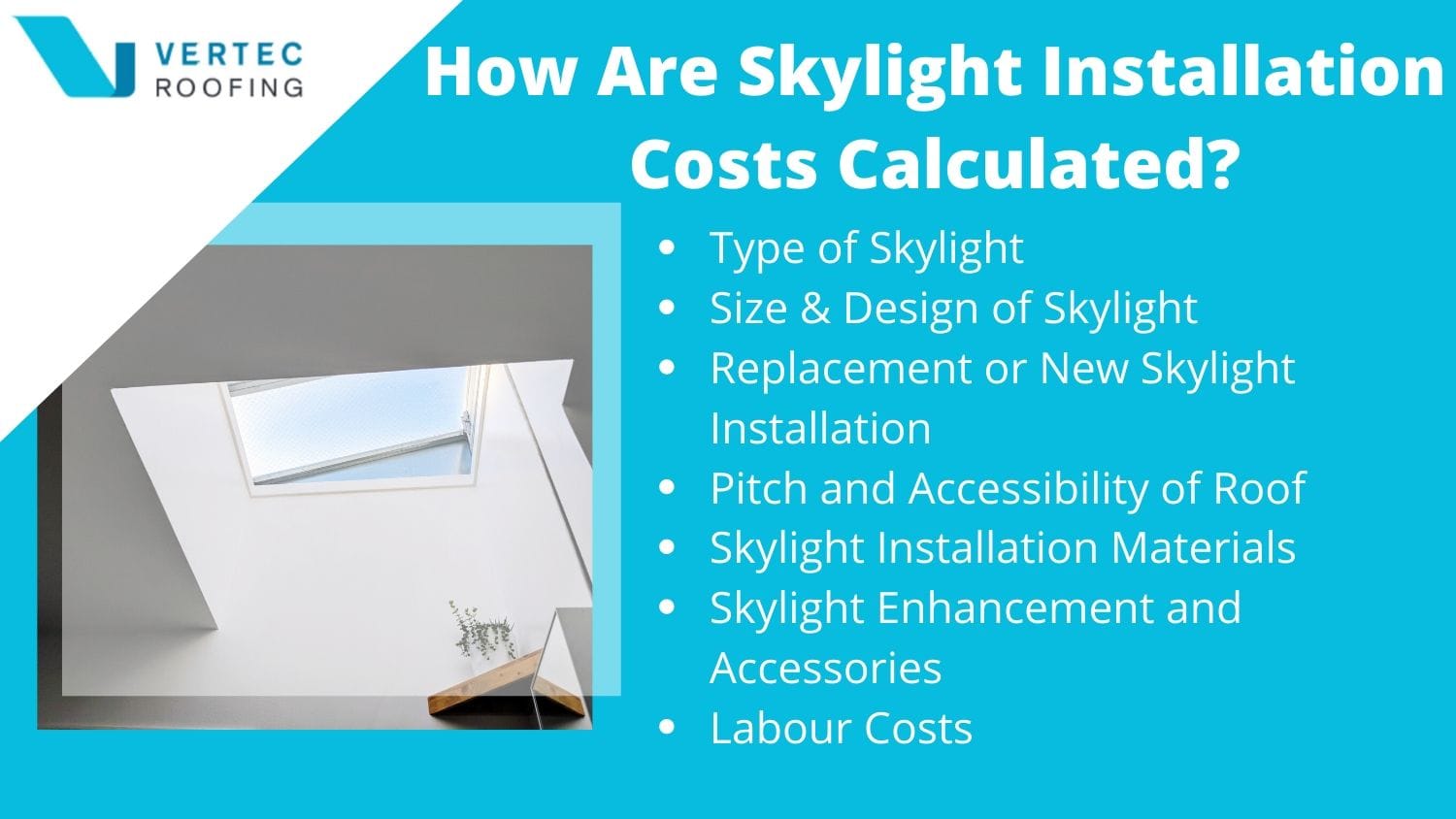
Other factors that influence the cost of skylight installation include:
The type of skylight that you choose to install will play a key role in determining the final cost of installation.
Three types of skylights offer ventilation (that is, they can be opened). Ventilating skylights include: Manually opening skylights, Electric skylights, and Solar skylights.
These will be the most cost-effective and straightforward ventilating skylight solution, as they will only require a latch system for people to open and close when they want.
Electric skylights are more complicated as they rely on the installation of an electrical system to open and close the skylight window, which will require a more complex installation process and will come with remote control for operation.
Solar skylights are the most expensive type of skylight as they feature a solar panel that captures the available daylight and uses it to recharge a highly efficient, fully concealed battery powered operator and control system.
The battery operator is the power source they will work to open and close the skylight. Connecting to a cable that passes through the building, a solar skylight operates with a remote control to open and close the skylight. Relying on the sun’s rays, solar skylights are the most energy-efficient but most expensive skylights to install.
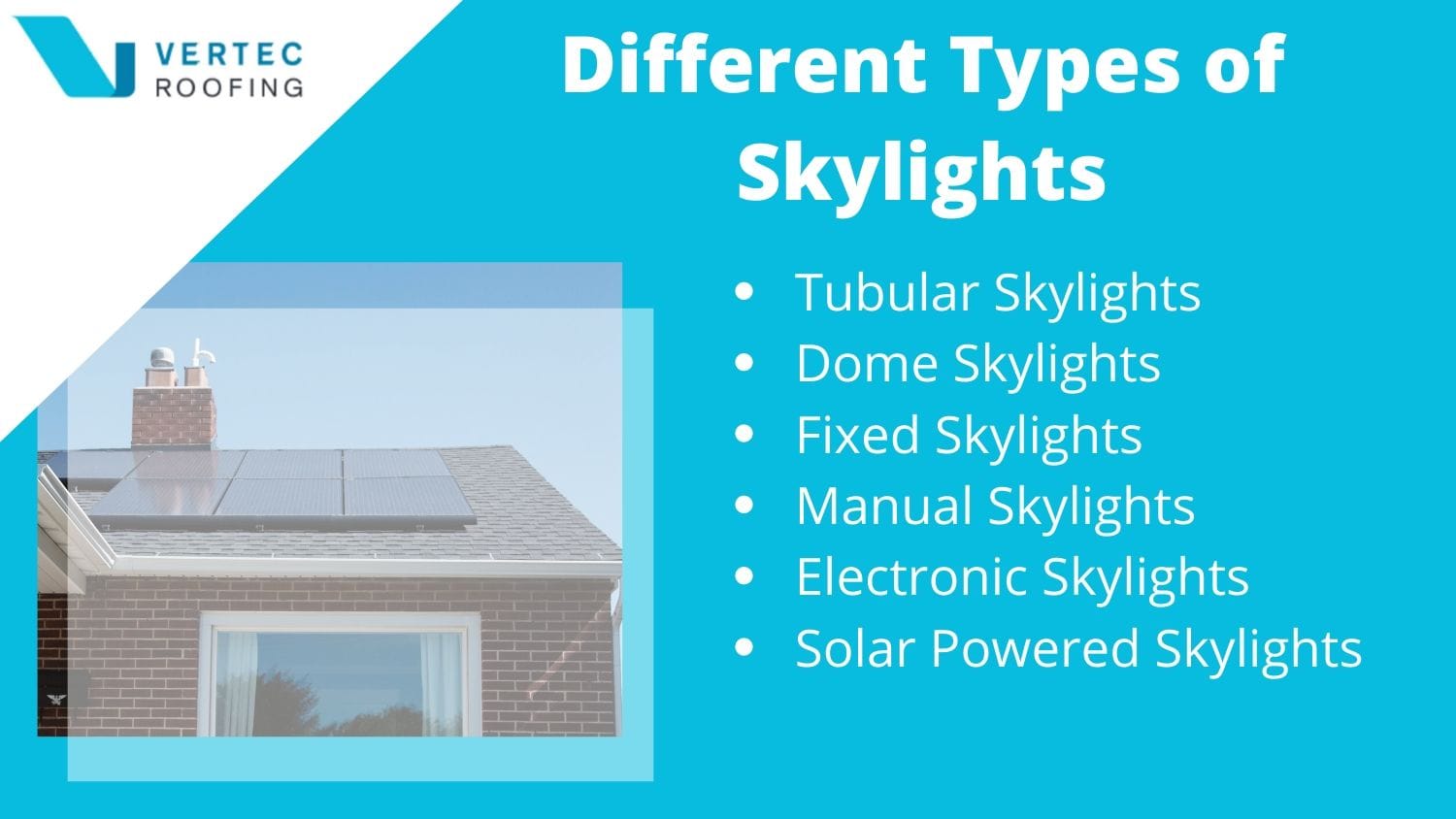
Size and design of the skylight are two significant factors that can increase the cost installation.
Fixed, ventilating, and tubular Skylights are available in a wide range of sizes and designs. Unsurprisingly, relatively straightforward, small, and simple designs are going to be cheaper to install in comparison to larger, more complicated skylight designs. Large skylights may require complex structural modifications to your roof before going ahead with installation – this will require more labour, and therefore, will cost more.
Replacing a skylight costs a lot less than installing a brand new one, regardless of tubular skylights or ventilating skylights.
In terms of replacement, the holes and equipment are already in place, and the roofing contractor will just need to take the old one out and replace it with the new one. There is a lot less labour and material required for a replacement.
One of the major factors of skylight installation cost is the installation process itself.
An exterior and an interior phase of installation will be required to ensure accurate and precise fitting. Once the roofing contractor has cut and measured the hole into the roof, the skylight will be fitted in from both sides, from exterior components to interior pieces. The amount of time the professional skylight installer will need for this process depends on the scope of the project, the slope of the roof, and the design of the skylight.
Small designs with simple installation processes will take as little as four hours altogether. If this is the case, you will face costs for the materials used as well as an hourly rate for the labour. Larger and more complicated designs will require a labour-intensive installation that can take up to three or four days of work. In this case, you can expect the labour costs of the skylight installation to increase.
The pitch of your roof and where you wish to have the skylight installed can also significantly impact the overall skylight installation cost.
If the area is slightly inclined and easily accessible like a flat roof, the skylight installation should be relatively straightforward. However, if the area in which the skylight is to be installed on is a very steeply pitched roof and challenging to work with, this can inflate skylight installation cost.
The quality of materials/quality of the skylight can have a significant impact on the overall cost of installing a skylight in your home.
The main skylight itself will either be made from acrylic plastic or glass. You will need to consider which is best for your home as plastic will not provide UV protection and tempered glass is usually only one layer, which means it can break with substantial force. Double pane glass will provide exceptional insulation and security; however, will be the most expensive.
Quality skylights come with several framing options. You can get a skylight made from vinyl, wood, metal, or a combination of materials. The materials surrounding the skylight can also impact the overall installation costs.
Another material to consider is flashing. Flashing seals away condensation, and depending on your skylight’s location, it may require flashing. Depending on the type, some skylights will come equipped with flashing, others will require flashing as an additional skylight material which can increase the overall costs.
And finally, any added elements to a skylight installation will inflate the overhead costs. This includes insect screens, impact glazing, the installation of solar panels, toughened safety glass, manual control rods, electric opening systems, and blinds. Essentially, any accessories or added components to the skylight itself will naturally increase the costs of the installation and materials involved.
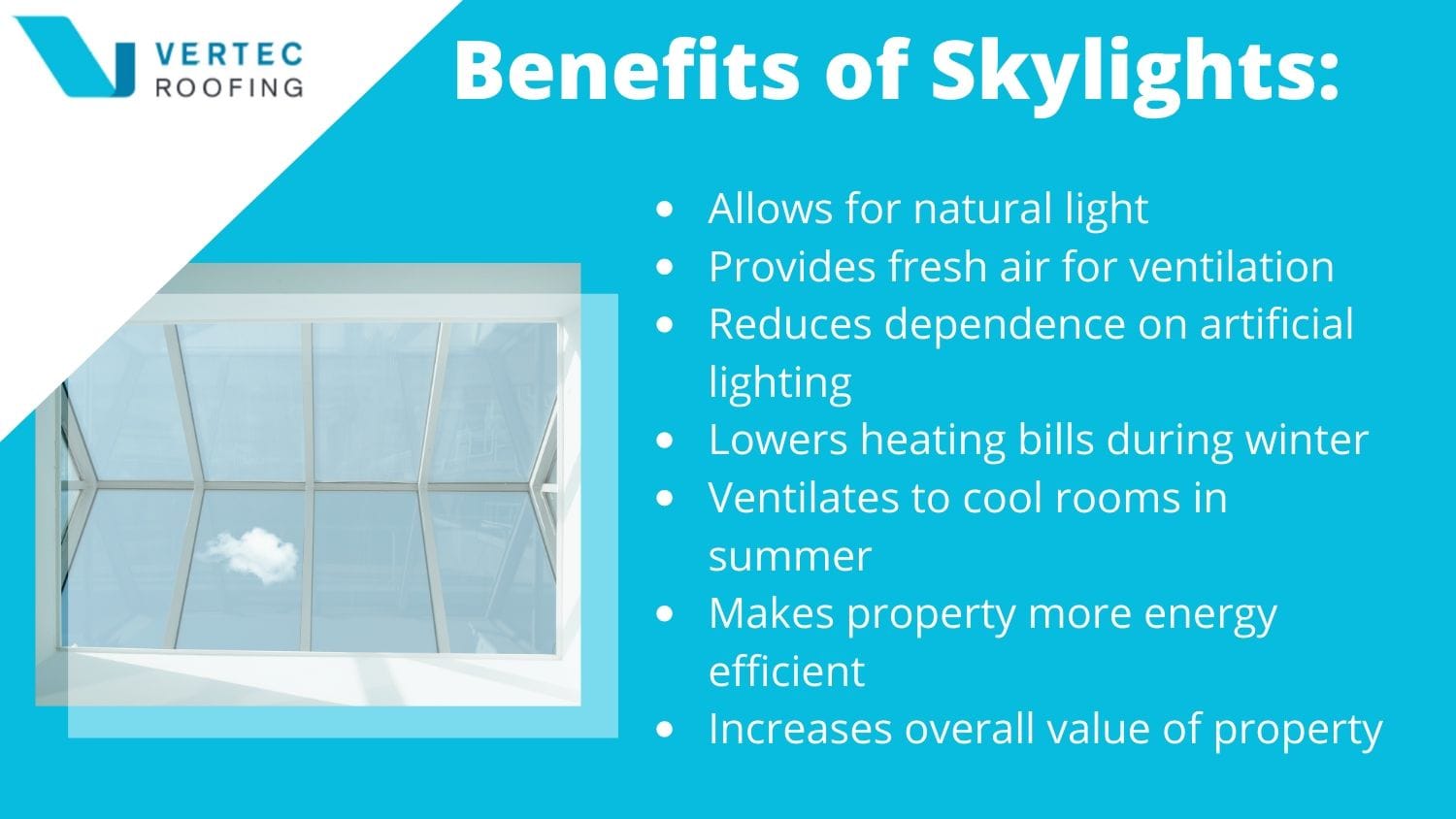
Skylights are a popular way to brighten rooms up, increase exposure to natural light, and create an illusion of space in smaller rooms. Additionally, skylights can provide ventilation in stuffy kitchens or bathrooms. Making your home feel light and inviting, having extra sunlight inside is also proven to increase the moods and well-being of those inhabiting the space.
Benefits of skylight installation include:
The amount of time it takes to replace a skylight will depend on the design of the skylight itself. If it is a simple replacement or upgrade, it should take as little as a few hours from start to finish. A larger or more labour-intensive skylight replacement or installation can take closer to two or three days overall.
To install a skylight, a roofing contractor will need to cut a hole into the roof and ceiling, fit the skylight in place, waterproof the system, and seal it in place. This process requires the skilled work of a qualified and insured roofing contractor, to ensure precise, accurate and safe installation. One of the critical aspects of a professional installing a skylight is that they will ensure that the skylight does not leak.
Recently Updated
Popular Posts